Newsletter Subscribe
Enter your email address below and subscribe to our newsletter

 ByJohn A
Airgun technology has undergone substantial evolution over recent decades, transitioning from traditional spring-piston and break-barrel mechanisms to advanced pre-charged pneumatic (PCP) platforms. While conventional airguns rely on mechanical spring tension created per shot, PCP systems store compressed air in an onboard reservoir, providing consistent power, reduced recoil, and improved shot-to-shot accuracy. This technological shift has expanded the application of airguns from basic backyard plinking to high-precision target shooting and pest control.
As interest in compressed air target shooting grows worldwide, manufacturers continue refining valve systems, pressure regulators, and ergonomics. Modern platforms from brands specializing in shooting sports, including pinty airguns, highlight how accessible pneumatic technology has become for recreational shooters seeking reliable performance without extreme entry costs.

The primary advantage of PCP architecture lies in its recoil-free operation. In spring-powered air rifles, the sudden forward movement of a heavy internal piston creates double recoil, which can throw off scope zero and alter pellet trajectories. In contrast, PCP airguns release a controlled burst of air via a internal strike valve, resulting in minimal structural movement during discharge.
Key operational characteristics include:
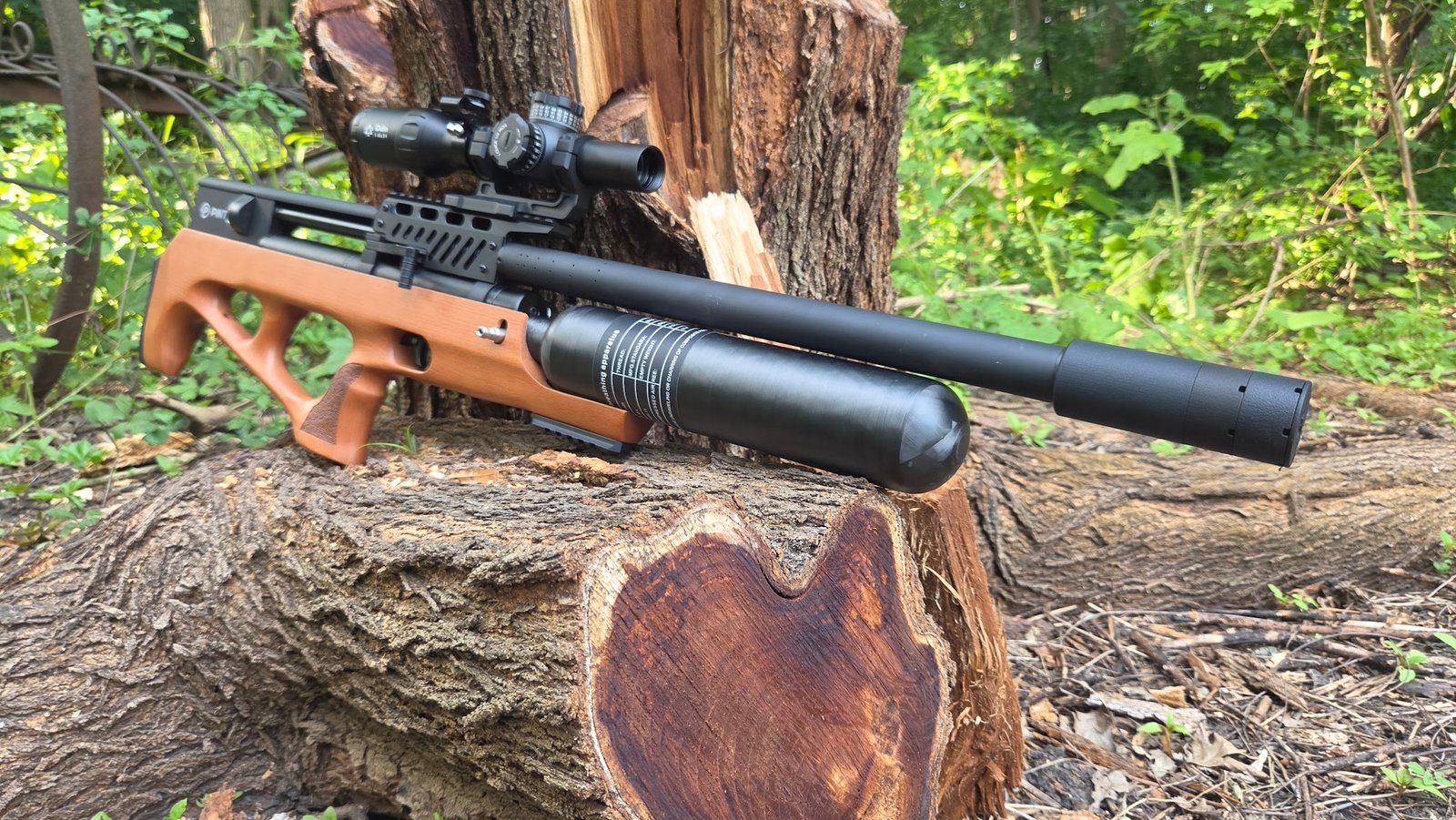
While long-barrel rifles dominate field applications, high-power pneumatic handguns have carved out a significant niche. Designing a compact air pistol that maintains respectable muzzle velocity requires precise valve tuning and optimized air consumption. The pinty buster pcp pistol represents this design direction, combining a rotary magazine feed with a high-capacity air tube in a manageable sidearm form factor available in standard .177 and .22 calibers.
Compact setups are particularly favored by shooters who prioritize maneuverability in confined outdoor spaces or lightweight transport during target practice trips. Devices like the pinty buster series demonstrate how modular air reservoirs and picatinny mounting rails allow enthusiasts to attach optics, suppressors, or red dot sights tailored to their specific shooting conditions.
Operating high-pressure pneumatic equipment requires strict adherence to safety standards. Air reservoirs typically operate between 2,000 and 3,000 PSI (Pounds per Square Inch). Users must regularly inspect pressure gauges (manometers), replace worn silicone O-rings, and avoid filling past recommended working pressure limits. Using clean, dry compressed air prevents internal corrosion and ensures long-term operational consistency.